
The Willows Gemfields and the outer fossicking areas
The Willows Gemfields is famous for green and yellow sapphires and the 332-carat Golden Willow. Here's how to get there, what you might find, where to stay and how it compares with the other outer fossicking areas.
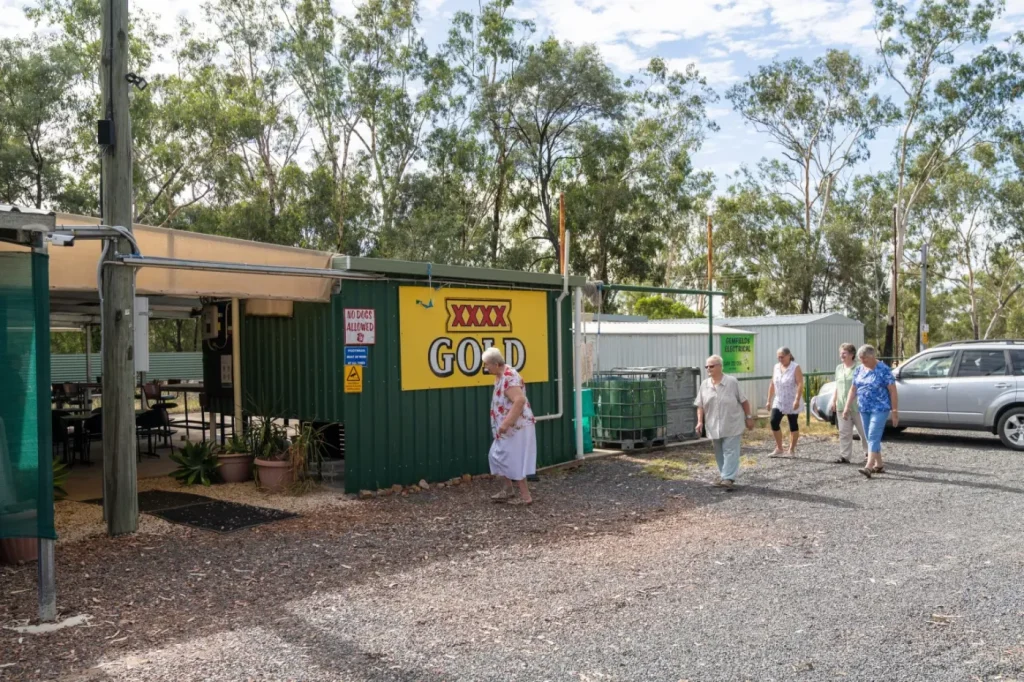
The Willows Gemfields is a small fossicking township in Central Queensland, about 45 minutes west of Emerald and just south of the Capricorn Highway. It’s famous for green and yellow sapphires, including the 332-carat Golden Willow, and it has its own caravan park, general store and designated fossicking land right on the edge of town. Here’s how to get there, what you might find and how the Willows fits in with the other outer fossicking areas of the Gemfields.
At a glance
- Where it is: about 45 minutes west of Emerald, a short drive south of the Capricorn Highway
- Known for: green and yellow sapphires, star sapphires and zircons
- Famous find: the Golden Willow, a 332-carat rough yellow sapphire
- Where to stay: the township’s caravan parks, with powered sites, cabins and a general store
- Before you dig: a Queensland fossicking licence
Where are the Willows Gemfields?
The Willows Gemfields sits in the Central Highlands of Queensland, on the south-western edge of the Sapphire Gemfields. To get there, turn south off the Capricorn Highway about 69 kilometres west of Emerald and follow the mostly sealed road for around 9 kilometres to the township.
From the Anakie Crossroads, the Willows is about 35 kilometres to the south-west, which makes it an easy addition to a trip based in Anakie, Sapphire or Rubyvale. Glenalva, another public fossicking area, sits beside the highway on the way.
What can you find at the Willows Gemfields?
Greens and yellows are the stars at the Willows. The government fossicking guide describes the sapphires here as predominantly green and yellow, which makes a blue from the Willows a real prize. Star sapphires and zircons turn up too, and the Thru-the-Fence area has even produced the occasional diamond.
The Willows is also home to one of the most famous finds on the Gemfields: the Golden Willow, a 332-carat rough yellow sapphire. Very little machinery or corporate mining has ever worked this field, so much of the ground has only ever been turned by hand.
Curious about the colours? Our guide to Queensland sapphires and what they’re worth explains what makes each one special.
The Willows fossicking areas
The designated fossicking land wraps around the township and is made up of a few well-known spots:
| Area | Where it is | What to know |
|---|---|---|
| Thru-the-Fence | Just east of the township and caravan parks | The most popular area, known for good quality, large stones: mostly greens, yellows and stars, plus zircons and rare diamonds |
| The Duffer | North of the township | The gem-bearing gravel sits between half a metre and 2 metres down |
| Augies Gully | West of the township | Good finds in recent years, especially large yellows |
| Rubbish Tip area | Close to town | Mostly shallow ground, with gravel less than half a metre down |
Where to stay at the Willows Gemfields
The township has two caravan and camping areas, a shop, a post office, fuel and water, so it’s an easy place to base yourself for a few days of fossicking.
Willows Gemfields Caravan Park at 30 Willows Road has powered and unpowered sites, cabins, a camp kitchen and laundry, plus a general store and post office on site. There’s a gem washing area with sieves for sorting your finds, and a small community library known as the Hut of Knowledge. Well-behaved pets on a lead are welcome on sites.
The designated fossicking land is set aside for digging, so plan to stay in one of the township’s parks. For more choice across the region, see our guide to where to stay on the Gemfields.
Fossicking at the Willows: what to know before you go
- Get your licence first. Everyone fossicking in Queensland needs a fossicking licence, and a family licence covers the whole household. Our guide to fossicking licences in Queensland explains how to buy one online in a few minutes.
- Use hand tools. Picks, shovels, sieves and metal detectors are all part of the fun on public fossicking land. Keep holes under 2 metres deep and fill them in when you’re finished.
- Look after the country. Willows Cactus grows in this area. Leave any cactus pieces where they are and check your gear, boots and vehicle before you head off, so it stays put.
- Plan your fuel. The township sells unleaded fuel, so fill up with diesel in Emerald or Anakie on the way in.
- Carry water. The township has water, and it’s always wise to keep plenty with you while you’re out digging.
The other outer fossicking areas of the Gemfields
The Willows is one of seven public fossicking areas listed by the Queensland Government across the Central Queensland Gemfields. Each has its own character, so it’s worth exploring a few:
| Fossicking area | How to get there | What turns up |
|---|---|---|
| Glenalva | Off the Capricorn Highway about 20 kilometres from Anakie, then 1 kilometre along Southernwood Road | Greens, blue-greens and yellows, with occasional black stars, blues, pinks and parti sapphires |
| Graves Hill | About 8 kilometres up Anakie Sapphire Road, then 4 kilometres along Graves Hill Road | Greens, yellows and blues from shallow ground |
| Big Bessie | From Sapphire, 2 kilometres west along Rifle Range Road | Shallow, well-worked ground with the odd surprise |
| Middle Ridge | From Rubyvale, 3 kilometres west along Goanna Flats Road | Blues, often large, plus zircons |
| Sapphire and Rubyvale fossicking land | Around the towns of Sapphire and Rubyvale, including the Divide and Reward areas | Fine blues, with greens and yellows also common |
| Tomahawk Creek | About 51 kilometres north of Rubyvale via Reklaw Road | Good blues and fancy stones, in remote country for well-prepared travellers |
Camping in the outer areas needs a separate camping permit, for stays of up to three months. Most areas are natural bush, so bring water and everything you need. The government’s Central Queensland fossicking guide has maps and the latest details for each area.
When is the best time to visit the Willows Gemfields?
March to October is the best time to visit the Willows and the wider Gemfields. The days are mild and sunny, the nights are cool and every tourism operator is open. Summer brings hot days and most of the year’s rain, and the unsealed roads into the outer fossicking areas are best left to dry out after a downpour.
New to fossicking? Start with Jeb
If it’s your first time on the Gemfields, a morning with someone who knows the ground makes all the difference, and it’s the perfect warm-up before you head out to the Willows on your own.
Jeb’s Gems Tag Along Tour
Spend a morning on the diggings with Jeb, Queensland’s Top Tour Guide 2026. He’ll show you how to read the ground, dig, sieve and spot the colour, and every guest is handed a sapphire before we even start. All the gear and your fossicking permit are included, and every stone you find is yours to keep. Tours run every day, year round, weather permitting, from $75 per adult, with a high clearance 4WD needed for the drive out.
See the Tag Along Tour or book your morning.
Rubyvale Miner’s Cottage
At Rubyvale Miner’s Cottage, 65 Goanna Flats Rd, Rubyvale, you can buy a bucket of gem-bearing gravel from $35 and sieve it right there, with friendly help on hand to show you what to look for. Just turn up and see what’s waiting in your sieve. The Cottage is open from 1 March to 31 October.
Visit Rubyvale Miner’s Cottage
Heading out on your own? Our sapphire fossicking guide covers the ground, the gear and Jeb’s method, and the first-time fossicking guide walks beginners through day one. For travel times and the best time of year to come, see Plan Your Visit. Exploring further afield? Our Queensland Gemfields guide covers every town and fossicking area.
Frequently asked questions
The Willows Gemfields is in Central Queensland, about 45 minutes west of Emerald. Turn south off the Capricorn Highway about 69 kilometres west of Emerald and follow the road for around 9 kilometres to the township.
The Willows is best known for green and yellow sapphires. Star sapphires and zircons are also found, blues are a rare prize, and the Thru-the-Fence area has produced the occasional diamond.
The Golden Willow is a famous 332-carat rough yellow sapphire found at the Willows Gemfields, and one of the best-known finds in Queensland’s sapphire history.
Yes. You need a Queensland fossicking licence to fossick at the Willows and in every other public fossicking area. You can buy one online in a few minutes, and a family licence covers the whole household.
The township has two caravan and camping areas, including Willows Gemfields Caravan Park with powered sites, cabins and a general store. The designated fossicking land is reserved for digging, so stay in the township.
Yes, the township sells unleaded fuel. If your vehicle runs on diesel, fill up in Emerald or Anakie before you head in.
Plan the rest of your Gemfields trip
The Willows is the perfect next step once you’ve caught the fossicking bug. Pair it with a night in Anakie, a wander around Sapphire and our full list of things to do in Rubyvale and the Gemfields, or book your morning with Jeb and start your trip with a sapphire in your hand.
Last updated 06/10/2026. Facts checked against the Queensland Government Willows fossicking guide, the Central Queensland fossicking areas guide, Queensland.com, Central Queensland Highlands and Willows Gemfields Caravan Park.
Ready to try it yourself?
Come and dig one up
Spend a morning on the diggings with Jeb
Every guest gets a sapphire before we even start, and every stone you find after that is yours to keep. Tours run every day, year round, weather permitting.
Keep exploring
More from the Gemfields
Guide
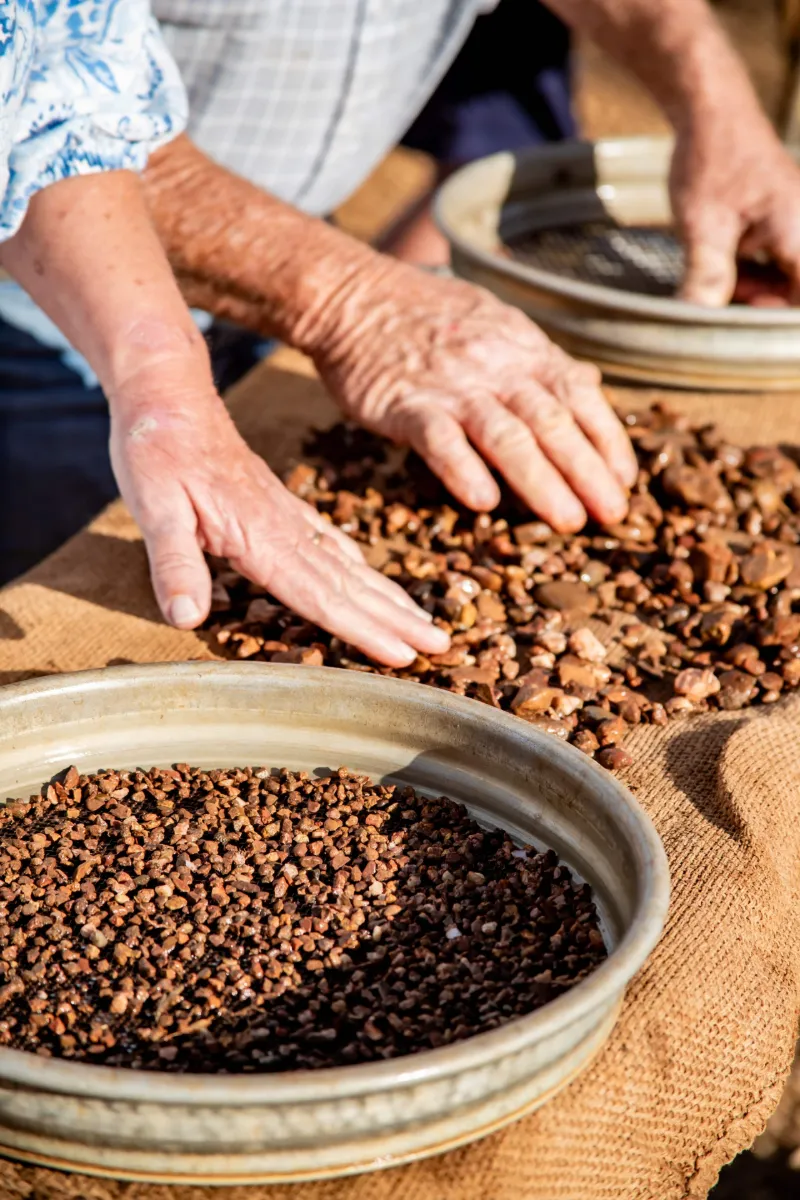
Sapphire Fossicking
How the sapphires got here, the tools, and how to spot the colour in your sieve.
Read the guide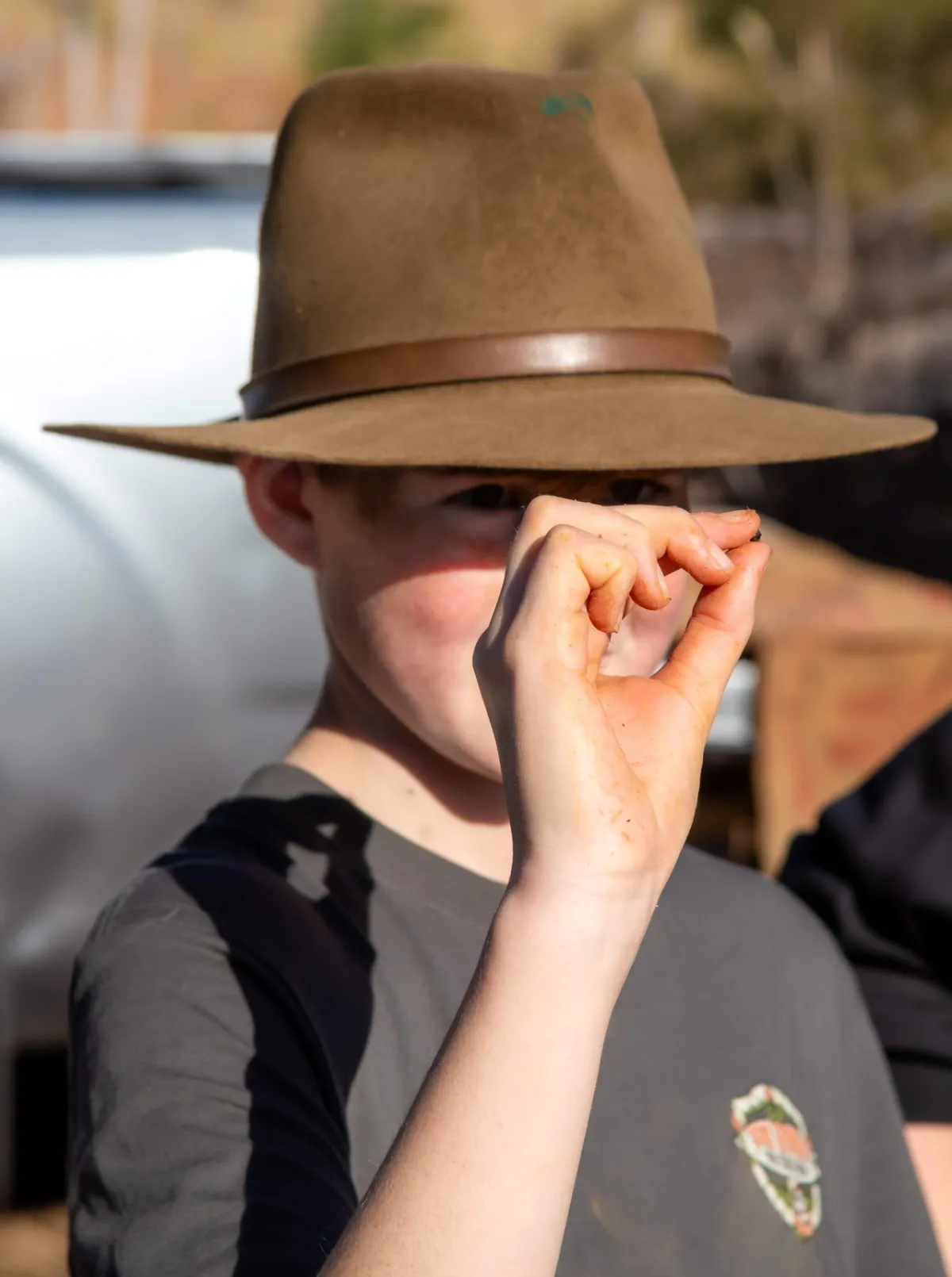
Guide
First-Time Fossicking
Everything a newcomer needs for a great first morning on the diggings.
Read the guide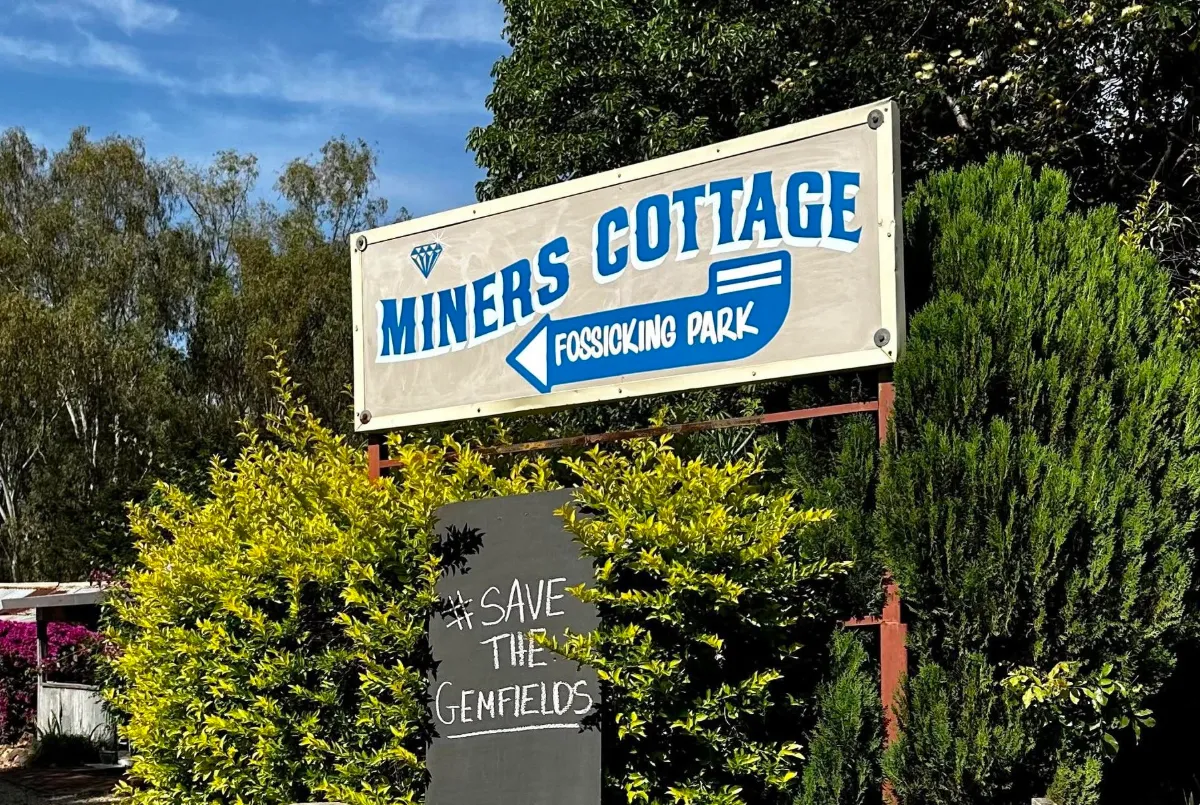
Guide
Rubyvale
The heart of the Gemfields, with history, characters and plenty to do.
Read the guide